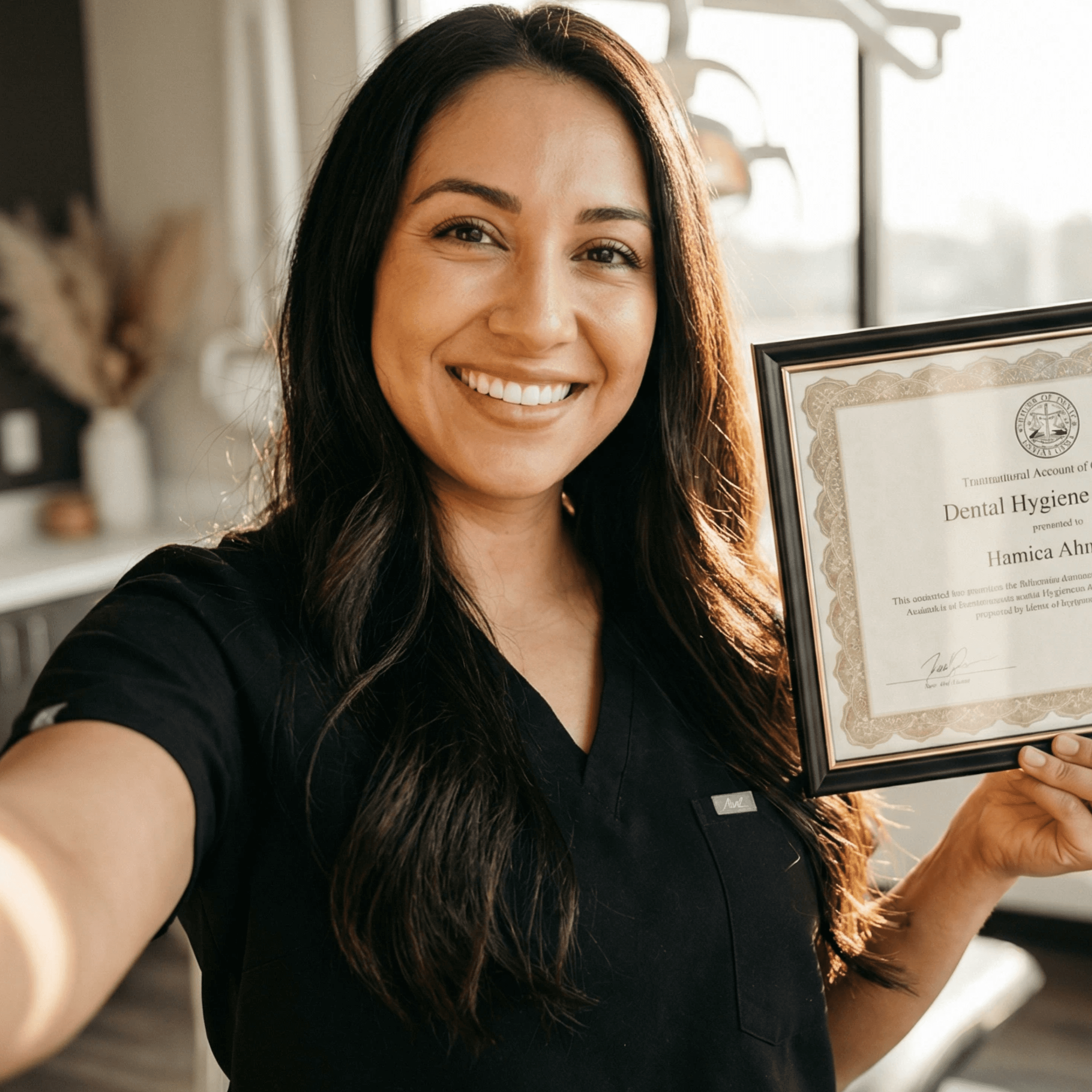
This guide breaks down how to transfer your dental hygiene license efficiently, what to expect, and how to avoid common pitfalls—whether you’re a hygienist planning a move or a practice trying to onboard out-of-state talent quickly.
Why Transferring a License Isn’t Always Simple
Dental hygiene licensure varies significantly by state. Some states offer reciprocity (or “licensure by credentials”), while others require additional exams or documentation.
Key differences between states can include:
Clinical exam requirements (e.g., ADEX, WREB, CRDTS)
Accepted regional boards
Jurisprudence (state law) exams
Continuing education requirements
Minimum practice hours
For dental offices, this inconsistency creates a major operational challenge. You might find a highly qualified hygienist ready to start—but licensing delays can push their start date back weeks or even months.
Step-by-Step: How to Transfer Your Dental Hygiene License
1. Research Your New State’s Requirements
Start with the dental board website for the state you’re moving to. Look specifically for “licensure by credentials” or “license transfer.”
You’ll want to confirm:
Whether your current license is eligible for transfer
Required exams (written, clinical, or jurisprudence)
Minimum years of practice (some states require 1–5 years of active work)
Background checks or fingerprinting requirements
Pro tip: Don’t assume reciprocity exists—even neighboring states can have completely different rules.
2. Gather Your Documentation Early
This is where most delays happen.
Common documents include:
Proof of graduation from an accredited dental hygiene program
National Board Dental Hygiene Examination (NBDHE) scores
Clinical exam results
Verification of current licensure in all states you’ve practiced
Employment history or proof of clinical hours
CPR certification
Some of these documents must be sent directly from institutions or testing agencies, which can take time. Start early—ideally 6–8 weeks before your planned move.
3. Apply for Licensure by Credentials
Most states offer this pathway if you’ve already been practicing.
The application process typically includes:
Completing an online or paper application
Paying application fees (often $100–$500+)
Submitting all required documentation
Passing a background check
Some states also require you to have an active license in good standing with no disciplinary history.
4. Complete Any Required Exams
Even with licensure by credentials, you may still need to pass additional exams.
Common requirements include:
Jurisprudence exam: Tests your knowledge of state-specific dental laws and regulations
Clinical exam: Required in some states if your original exam isn’t accepted
Local anesthesia certification: May be required depending on scope of practice
These exams can be a bottleneck, especially if testing dates are limited.
5. Track Your Application Status
Don’t assume everything is moving smoothly behind the scenes.
Stay proactive:
Confirm receipt of all documents
Follow up with the state board if timelines exceed expectations
Respond quickly to requests for additional information
Missed emails or incomplete applications are one of the most common causes of delays.
Common Challenges (and How to Avoid Them)
Delays in License Verification
Many states require verification from every state you’ve held a license in—not just your current one.
Solution: Request verifications from all relevant states at the same time. Some states still process these manually, which can add weeks.
Mismatched Clinical Exams
Not all states accept every clinical exam.
For example, if your original exam isn’t recognized, you may need to retake a clinical exam—even if you’ve been practicing for years.
Solution: Check accepted exams early and plan accordingly. If needed, schedule exams well in advance.
Gaps in Practice History
Some states require proof of recent clinical hours (e.g., within the past 1–3 years).
Solution: Keep records of your work history and be prepared to provide employer verification letters.
Scope of Practice Differences
Your responsibilities as a hygienist may change depending on the state.
For example:
Some states allow independent practice; others require direct supervision
Expanded functions like local anesthesia or restorative procedures may require additional certification
Solution: Review scope-of-practice rules before accepting a role to avoid surprises.
How This Impacts Dental Practices
From a practice perspective, licensing delays directly affect your bottom line.
When you can’t onboard a hygienist on time:
Hygiene chairs sit empty
Doctors lose production tied to hygiene exams
Existing staff burn out covering gaps
Patient wait times increase
For DSOs and multi-location groups, this challenge multiplies when trying to move talent across state lines.
Tips for Dental Offices Hiring Out-of-State Hygienists
If you’re bringing in a hygienist from another state, you can help speed things up.
Start the Licensing Process Early
As soon as an offer is accepted, begin the licensing process—even if their start date is weeks away.
Provide Administrative Support
Many hygienists are navigating this process alone.
Offering help with:
Tracking required documents
Covering application fees
Providing employment verification
…can significantly reduce delays and improve your chances of securing the hire.
Use Temporary Staffing to Bridge the Gap
Even with the best planning, licensing delays happen.
This is where platforms like Teero can help. By connecting you with qualified hygienists for temporary coverage, you can:
Keep chairs filled
Maintain production
Avoid overloading your core team
Standardize Your Onboarding Process
If you frequently hire out-of-state hygienists, create a checklist:
Licensing requirements by state
Required documents
Internal points of contact
This reduces confusion and speeds up onboarding.
How Teero Helps Practices Stay Fully Staffed
Staffing shortages don’t wait for licensing paperwork.
Teero helps dental practices stay operational by:
Connecting offices with vetted hygienists for temp or permanent roles
Providing flexible staffing solutions during licensing delays
Supporting revenue cycle operations like remote dental billing and automated payment posting
That means fewer disruptions, more consistent patient care, and better financial performance—even when hiring timelines get unpredictable.
Final Thoughts
Transferring your dental hygiene license to another state isn’t always quick—but it is manageable with the right preparation.
For hygienists, the key is starting early, staying organized, and understanding your new state’s requirements.
For dental practices, the focus should be on reducing friction: supporting candidates through the process, planning for delays, and having backup staffing options in place.
Because at the end of the day, every week a hygiene chair sits empty is revenue—and patient care—left on the table.